

BLOGS
Your source for fleet insights, AI updates, and operational strategy that help you stay ahead and drive better results.
Fleet Compliance Checklist for Trucking Companies
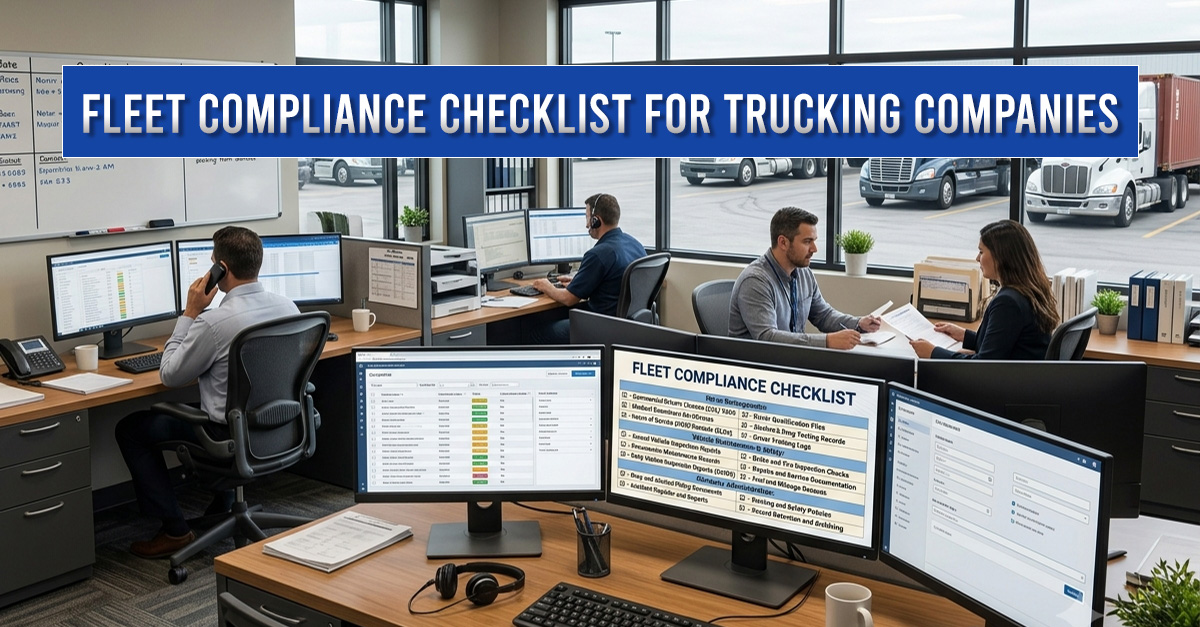
Fleet compliance is not a once-a-year task. For trucking companies, maintaining compliance requires continuous attention to drivers, vehicles, inspections, maintenance, documentation, and safety performance. A structured fleet compliance checklist can help Canadian carriers identify gaps early, keep records organized, and stay prepared for inspections and audits.
For Ontario operators, CVOR responsibilities include employing qualified drivers, maintaining driver training and safety documentation, keeping vehicles in safe condition, completing required inspections, maintaining repair records, and addressing safety issues when identified.
1. Verify Driver Qualifications
Start with the people operating your vehicles. Ensure each driver has the appropriate licence and required qualifications. Keep driver records, training documentation, abstracts, and other required information organized and up to date.
Regularly review driver files for missing or expired documents rather than waiting until an inspection or audit.
2. Complete Daily Vehicle Inspections
Daily inspections are a fundamental part of commercial vehicle safety in Ontario. Applicable commercial vehicles generally require a daily inspection within the prescribed 24-hour period, with defects documented and reported. Major defects must be addressed before the vehicle is operated. Electronic inspection reports are permitted.
A digital inspection process can make it easier to record defects and maintain accessible inspection records.
3. Maintain Preventive Maintenance Records
A compliant fleet needs more than emergency repairs. Operators must have a maintenance system and keep records of inspections, maintenance, and repairs. Ontario regulations require specified vehicle maintenance and repair records to be retained for prescribed periods.
Track service dates, repairs, inspection results, and upcoming maintenance requirements for every vehicle.
4. Monitor CVOR and Safety Performance
Your CVOR record provides important information about your carrier's safety performance, including collisions, convictions, and inspections. Reviewing your carrier record regularly can help identify areas that require attention.
Use safety data to identify recurring issues and take corrective action.
5. Keep Compliance Documents Organized
Important documents should be easy to locate when needed. Depending on the operation, this can include driver records, inspection reports, maintenance documentation, insurance, registration, CVOR information, and supporting trip records.
Centralized digital records can reduce time spent searching through paperwork, emails, and separate spreadsheets.
6. Prepare for Audits
Ontario facility audits can examine driver qualifications, training, hours of service, driver behaviour, collisions, vehicle inspections, maintenance, repairs, and supporting documentation.
Instead of preparing only when an audit is announced, make audit readiness part of your everyday fleet management process.
Make Fleet Compliance Easier with Saelus
Managing compliance across drivers, vehicles, inspections, maintenance, and documents can become complicated as a fleet grows. Saelus brings essential fleet safety and compliance activities into one centralized platform, helping teams manage driver records, DQF, inspections, maintenance, and operational information more efficiently.
Final Checklist
- Driver qualifications
- Daily inspections
- Maintenance records
- CVOR monitoring
- Compliance documentation
- Audit readiness
A strong compliance program protects more than paperwork, it supports safer drivers, better-maintained vehicles, and more reliable fleet operations.
Saelus helps trucking companies simplify fleet safety, compliance, and day-to-day fleet management from one platform.
