

BLOGS
Your source for fleet insights, AI updates, and operational strategy that help you stay ahead and drive better results.
The Difference Between a Busy Fleet vs. an Efficient Fleet
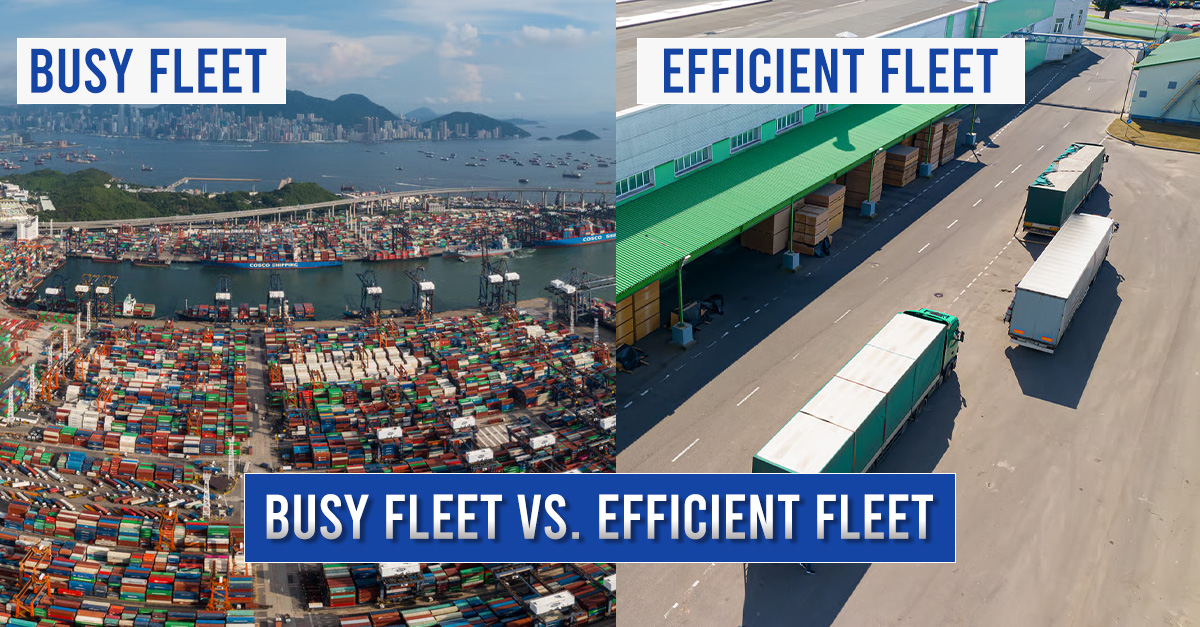
A busy fleet is not necessarily an efficient fleet. Trucks may be constantly moving, drivers may be completing deliveries, and managers may be handling calls all day, yet the business can still lose money through downtime, poor maintenance, compliance gaps, and inefficient processes.
For modern trucking and logistics companies, fleet efficiency means getting more value from existing vehicles, drivers, time, and resources while maintaining strong safety and compliance standards.
Busy Does Not Always Mean Productive
A busy fleet often operates reactively. Managers spend time chasing documents, responding to breakdowns, following up with drivers, and searching for inspection or maintenance records.
An efficient fleet takes a more proactive approach. Processes are organized, responsibilities are clear, and important information is available when needed. Instead of constantly reacting to problems, managers can identify issues earlier and make informed decisions.
Maintenance Makes a Major Difference
Vehicle downtime can quickly affect revenue, delivery schedules, and customer relationships. A busy fleet may wait until a vehicle develops a serious problem before taking action.
Efficient fleets prioritize preventive maintenance. Scheduled servicing, regular inspections, defect reporting, and accurate maintenance records help identify issues before they become expensive breakdowns.
Digital maintenance tracking can also help managers monitor service schedules and maintenance history across multiple vehicles.
Compliance Should Be Continuous
Compliance cannot be treated as something to address only when an audit is approaching. Driver qualification records, licenses, certifications, inspection documentation, and maintenance records need to remain current and organized.
Missing or outdated records can create regulatory risk and potentially contribute to fines, failed inspections, or other enforcement consequences. An efficient fleet uses structured processes and reminders to reduce the chance of missed deadlines and remain audit-ready.
For Canadian fleets, this can include maintaining appropriate documentation and meeting applicable provincial and federal requirements, depending on where and how the fleet operates.
Safer Drivers, Better Operations
Driver safety is another important difference between busy and efficient fleets. Efficient operators make driver qualification, training, inspections, and safety reporting part of everyday operations.
Digital tools can allow drivers to complete pre-trip and post-trip inspections, report defects, upload documents, and communicate information without relying entirely on paper-based processes.
This creates better visibility for fleet managers and allows safety issues to be addressed sooner.
Data Turns Activity Into Insight
A busy fleet generates a lot of information, but information is only valuable when it can support better decisions.
Fleet managers can monitor vehicle utilization, inspection results, maintenance activity, trip history, driver documentation, and compliance status to identify recurring problems and operational trends.
Centralized data makes it easier to determine which vehicles need attention, where processes are slowing down, and which areas require improvement.
From Busy to Efficient
Efficiency is not about keeping everyone busy. It is about reducing unnecessary work, preventing avoidable problems, improving safety, and making better use of fleet resources.
Platforms such as Saelus help bring inspections, maintenance, driver records, trip information, and compliance management together in one centralized system. By reducing paperwork and improving visibility, fleets can spend less time managing scattered information and more time managing their operations.
The goal isn't simply to keep your fleet busy. It's to keep it moving safely, efficiently, and profitably.
