

BLOGS
Your source for fleet insights, AI updates, and operational strategy that help you stay ahead and drive better results.
Why Safe Routing and Careful Vetting Are More Important Than Ever
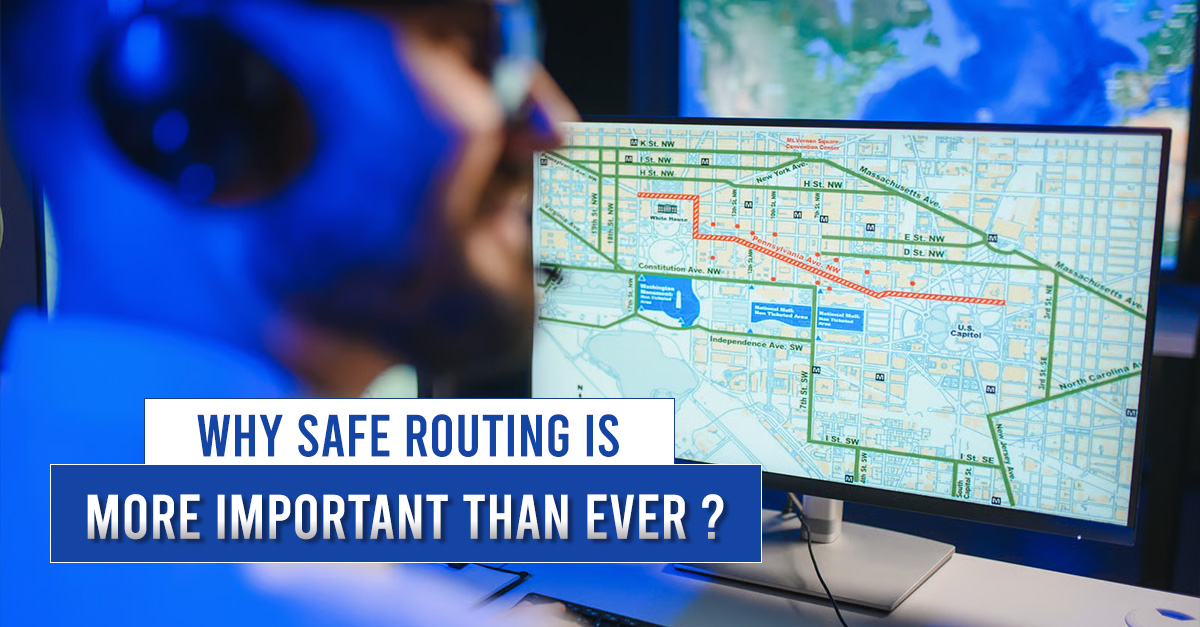
The trucking industry operates in an increasingly complex environment where safety, compliance, and operational efficiency are critical to long-term success. While fleet operators often focus on vehicle maintenance and regulatory compliance, two equally important areas deserve greater attention: safe route planning and careful driver vetting. Together, these practices help reduce accidents, avoid costly delays, improve compliance, and protect both drivers and business reputation.
Safe Routing Improves More Than Delivery Times
Efficient route planning is no longer just about finding the shortest distance. Modern fleets must consider road conditions, weather, construction zones, traffic congestion, vehicle restrictions, and delivery schedules when planning trips.
Choosing safer routes reduces the likelihood of accidents, minimizes driver fatigue, and lowers unnecessary vehicle wear and tear. It also helps fleets improve fuel efficiency, reduce delays, and maintain reliable delivery schedules. Better route planning ultimately supports safer operations while improving customer satisfaction.
Driver Vetting Is the First Step Toward Safety
Even the most advanced fleet cannot operate safely without qualified drivers. A thorough hiring and onboarding process helps transportation companies ensure drivers meet both company standards and regulatory requirements.
Proper vetting should include verifying commercial driver's licenses, reviewing driving records, confirming required certifications, conducting background checks where applicable, and maintaining complete Driver Qualification Files (DQFs). Keeping these records accurate and up to date helps fleets remain compliant and prepared for audits.
Hiring qualified drivers also reduces operational risks and contributes to a stronger safety culture across the organization.
Compliance Protects Your Business
Missing driver documents, incomplete qualification files, overdue inspections, or poorly maintained vehicles can expose fleets to regulatory violations, failed audits, insurance premium increases, and unnecessary downtime.
Maintaining organized digital records and setting automated reminders for document renewals, inspections, and maintenance schedules helps prevent compliance gaps before they become costly problems. A proactive approach keeps fleets audit-ready while reducing administrative burden.
Technology Supports Safer Fleet Operations
Digital fleet management platforms make it easier to manage safety and compliance across the entire organization. Fleet managers can monitor driver records, inspection reports, maintenance schedules, trip history, and compliance documentation from one centralized system.
Real-time visibility allows managers to identify potential issues early, assign corrective actions quickly, and maintain accurate records that support both daily operations and regulatory requirements.
Building a Strong Safety Culture
Fleet safety is not achieved through policies alone—it requires commitment from everyone involved. Drivers, dispatchers, maintenance teams, and fleet managers all play a role in creating a safe working environment.
Regular safety training, consistent inspections, timely maintenance, and clear communication encourage accountability while reducing preventable incidents. Companies that prioritize safety often experience fewer accidents, lower operating costs, improved compliance, and stronger customer trust.
Conclusion
Safe routing and careful driver vetting are no longer optional—they are essential components of successful fleet management. When combined with proactive maintenance, strong compliance practices, and digital fleet management tools, these strategies help transportation companies reduce risk, avoid costly fines, improve operational efficiency, and keep drivers safe on the road.
Solutions like Saelus help support these efforts by centralizing driver qualification files, inspections, maintenance schedules, trip records, and compliance documentation in one platform, enabling fleets to operate with greater confidence, safety, and control.
