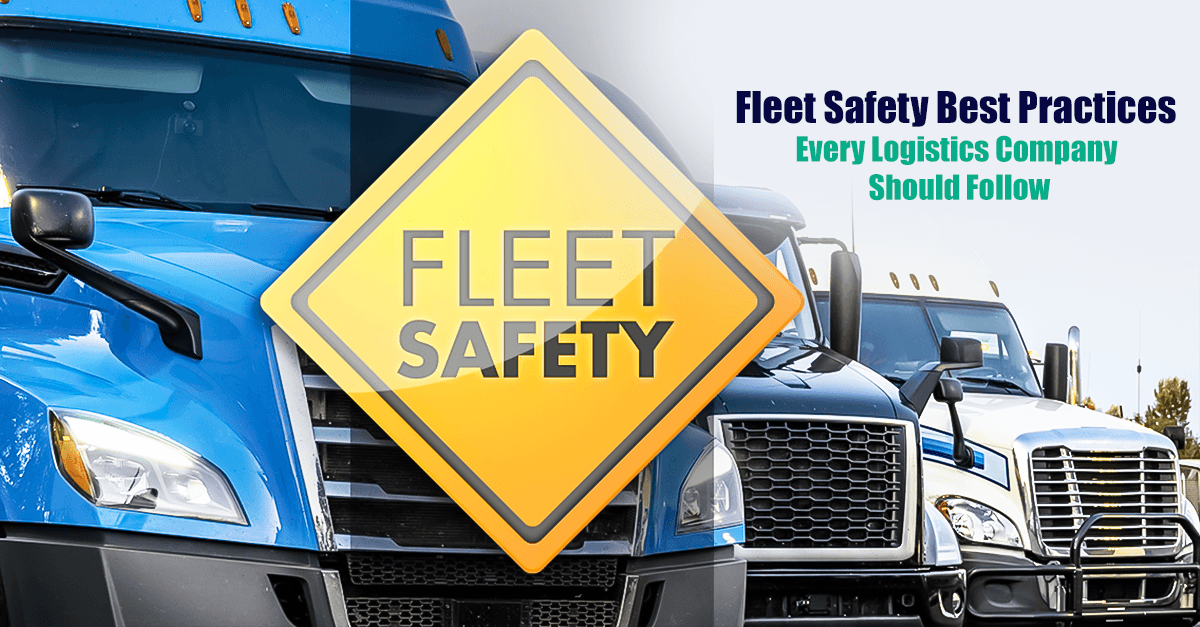
Fleet Safety Best Practices Every Logistics Company Should Follow

Fleet safety is a critical priority for logistics companies operating in Canada. With strict regulations, long-haul routes, changing weather conditions, and increasing operational pressure, maintaining a safe fleet is not just about compliance-it’s about protecting drivers, assets, and business continuity. Building a strong safety framework requires a combination of the right culture, disciplined driver behaviour, and smart use of technology.

1. Build a Strong Safety-First Culture
  • Safety starts at the top. When leadership prioritizes safety, it naturally becomes part of daily operations. Canadian logistics companies should clearly communicate safety expectations, provide regular training, and encourage open reporting of issues without fear of penalties. A strong safety culture ensures drivers and managers treat safety as a shared responsibility rather than a checkbox activity.
2. Monitor and Improve Driver Behaviour
  • Driver behaviour has a direct impact on accidents, compliance violations, and insurance costs. Speeding, harsh braking, fatigue, and distracted driving are common risk factors. Companies should regularly review driver performance, provide constructive feedback, and offer refresher training where needed. Recognizing safe driving behaviour is equally important, as it motivates drivers to stay alert and accountable on the road.
3. Stay Proactive with Vehicle Maintenance
  • Well-maintained vehicles are safer vehicles. Preventive maintenance helps identify potential issues before they turn into breakdowns or safety hazards. Regular inspections, timely repairs, and documented maintenance records not only reduce accident risks but also support compliance with Canadian regulations such as CVOR requirements.
4. Leverage Technology for Real-Time Safety Insights
  • Technology plays a key role in modern fleet safety. Fleet management platforms provide real-time visibility into vehicle health, driver activity, and compliance status. Automated alerts, digital inspections, and centralized dashboards allow logistics managers to identify risks early and take corrective action before incidents occur.
5. Prepare for Compliance and Audits
  • Canadian fleets must meet strict safety and regulatory standards. Keeping inspection reports, driver qualification files (DQF), and maintenance records organized and up to date is essential. Digitizing these processes reduces manual errors and ensures fleets are always audit-ready.
How Saelus Can Help?

Saelus supports Canadian logistics companies by centralizing fleet safety, maintenance, and compliance into one intelligent platform. With real-time insights, automated maintenance scheduling, digital inspections, and compliance-ready documentation, Saelus helps fleets reduce risk, improve driver accountability, and stay audit-ready with confidence-allowing managers to focus on safer, more efficient operations.

Company
Transforming the future where
innovation meets infinite possibilities

Talk to Us

Toll Free: (888) 856-2352

India Office: +91 08069277020

Canada Office: (905) 247-6868

Locations

Canada Office:

488-2 County Ct Blvd

Brampton

ON L6W 4V1

India Office:

1510 Wave One, Silver tower,

Sector 18 Noida


Copyright@2021 LineCode